

Fleet fuel cards are often viewed primarily as payment tools for fuel purchases, but their operational benefits extend beyond transactions. Automated data collection, fuel-efficiency monitoring, maintenance tracking and administrative time savings help reduce total fleet operating costs while improving operational effectiveness. These broader benefits help deliver greater long-term value than fuel discounts alone.
Speedway fleet cards consolidate tracking and streamline expense management. Apply now to reduce administrative burden.
Fleet-wide efficiency reporting can help identify outlier vehicles. Fuel card data can help pinpoint underperforming vehicles, potentially before obvious mechanical failures occur.
Eliminating Administrative Overhead
Traditional fleet expense management requires collecting paper receipts from drivers, organizing them by vehicle or project, manually entering data into spreadsheets or accounting systems, and reconciling totals against bank statements.
Fleet cards help automate this process. Every transaction generates electronic records designed to flow information directly to management portals with minimal manual intervention. Purchase details, including dates, times, locations, amounts, fuel types, gallonage, vehicle assignments and driver identification, appear organized and ready for analysis without requiring data entry.
Time Savings Translate to Cost Reduction
A fleet manager who spends 4 hours weekly on fuel expense reconciliation spends approximately 200 hours annually on administrative work. At typical labor rates, this represents thousands of dollars in administrative overhead. These costs have the potential to be reduced with automated systems. And the time saved can be redirected toward customer service, business development or operational improvements rather than paperwork processing.
Accounting departments also benefit from digital records. Monthly expense reporting, previously requiring sorting stacks of receipts, becomes a simple data export. Tax preparation can be simplified when fuel expenses arrive pre-categorized and totaled rather than scattered across multiple payment accounts requiring manual consolidation and reconciliation.
Fuel Efficiency Monitoring for Maintenance Insights
Fuel card systems capture odometer readings at each purchase. Fleet card systems compare current mileage against previous readings and divide miles traveled by gallons purchased to determine miles per gallon. This data can help identify vehicles with declining efficiency and potentially in need of maintenance.
A delivery truck averaging 11 miles per gallon dropping to 8 miles per gallon signals potential problems. Declining efficiency may indicate issues such as worn spark plugs, dirty air filters, incorrect tire pressure or engine problems. Early detection through fuel card data can help address maintenance needs before minor problems escalate into expensive repairs or breakdowns.
Comparative Fleet Analysis
Fleet-wide efficiency reporting can help identify outlier vehicles. Fuel card data can help pinpoint underperforming vehicles, potentially before obvious mechanical failures occur.
Pattern recognition can reveal developing issues. Gradual efficiency declines over months may not be obvious during daily operations but become clear when reviewing historical fuel economy trends. This trending data can support predictive maintenance, enabling proactive problem-solving rather than responding to breakdowns. Fuel cards like the Speedway Business Universal Card capture odometer data for efficiency analysis.
Early Problem Detection Reduces Repair Costs
Preventive maintenance guided by fuel efficiency data typically costs less than emergency repairs. Addressing a dirty air filter during scheduled service might cost as little as $20 and help prevent a decline in efficiency. Waiting until the problem causes engine damage could result in thousands of dollars in repair costs and vehicle downtime, not to mention the financial loss from reduced fuel economy.
Maintenance Expense Tracking and Budgeting
Some fleet card tracking extends beyond fuel purchases to track maintenance expenses such as oil changes, tire services and repairs. These capabilities help consolidate vehicle-related costs into a single payment and reporting system, organizing expenses by vehicle and service type rather than scattering them across multiple payment methods.
Consolidated maintenance tracking supports accurate total cost of ownership calculations. Understanding that a particular truck costs $X annually in fuel plus $Y in maintenance helps inform decisions about vehicle replacement timing. Comprehensive cost visibility enables data-driven fleet management decisions rather than relying on anecdotal impressions of vehicle reliability.
Maintenance Schedule Compliance
Odometer data captured during fueling can support maintenance scheduling systems. When cards record actual mileage, fleet managers can track when vehicles approach service intervals for oil changes, tire rotations or other mileage-based services. This tracking is designed to help support adherence to service schedules.
Driver Behavior Impact on Maintenance Costs
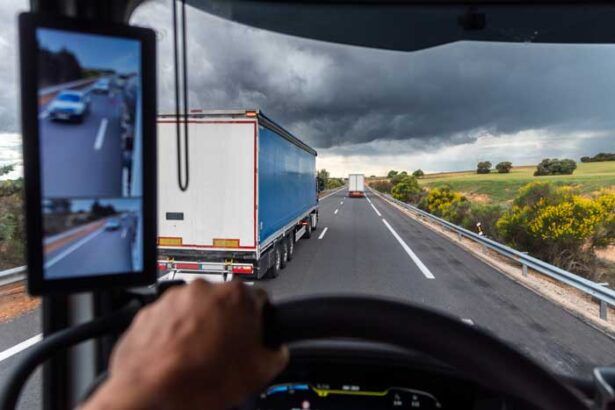
Fuel-efficiency data organized by driver can reveal which drivers are most economical. Aggressive acceleration, excessive idling and speeding all increase fuel consumption and accelerate vehicle wear. Drivers exhibiting poor fuel economy may also contribute to premature maintenance needs through aggressive driving.
Driver coaching programs supported by fuel card data can help improve both fuel economy and vehicle longevity. When drivers receive feedback on their consumption relative to fleet averages, many modify their behavior to improve performance. This behavioral improvement can help reduce both fuel costs and maintenance expenses caused by aggressive vehicle operation.
Route Optimization and Operational Efficiency
Fuel consumption data organized by route or geographic area helps identify which assignments cost more to operate. Urban routes with frequent stops typically burn more fuel per mile than highway routes. Mountainous terrain increases consumption compared to flat regions. This analysis can inform route planning and vehicle assignment decisions to improve operational efficiency.
Comparative route analysis can identify optimization opportunities. If two routes cover similar distances but one consumes 20% more fuel, an investigation may reveal inefficient routing, traffic congestion or unnecessary backtracking. Data-driven route optimization can help reduce fuel consumption and vehicle wear while maintaining service levels.
Fuel consumption data organized by route or geographic area helps identify which assignments cost more to operate.
Time-of-Day Traffic Impact
Fuel consumption varies based on traffic conditions. Rush hour congestion burns more fuel than off-peak travel. Effective route scheduling helps avoid heavy traffic, reduces fuel costs and reduces vehicle wear from stop-and-go driving, minimizing stress on engines, brakes and transmissions.
Flexible delivery windows help with avoiding heavy traffic. When customer service agreements allow, scheduling deliveries during off-peak hours can help reduce fuel consumption and support longer vehicle service life through smoother operating conditions. Fuel card data showing consumption variations by time of day helps quantify these benefits and support schedule adjustment decisions.
Vehicle Replacement Timing Decisions
Total cost of ownership analysis requires understanding both fuel consumption and maintenance expenses. Older vehicles typically consume more fuel and require more frequent repairs. Fleet card data showing rising fuel consumption combined with maintenance expense tracking can help inform decisions about when vehicles should be replaced rather than continuing to absorb increasing operating costs.
Life-Cycle Cost Comparison
Different vehicle makes and models exhibit varying operating cost profiles. Some vehicles maintain better fuel efficiency over time, while others become more expensive to maintain as they age. Fleet card data accumulated over multiple years helps evaluate which vehicle choices delivered the best total cost of ownership, informing future vehicle procurement decisions.
Compatibility with Fleet Management Systems
Modern fleet cards can connect with telematics platforms, GPS tracking systems and fleet management software. Transaction data automatically flowing into integrated systems provides comprehensive visibility, combining fuel expenses with location tracking, dispatch information and maintenance records in unified dashboards.
Data integration helps minimize duplicate entries and is designed to provide more complete operational visibility. Fuel purchases automatically populate expense tracking systems, and odometer readings sync with maintenance scheduling.
Predictive Maintenance Capabilities
Advanced integrated systems can use combined fuel-efficiency, telematics and maintenance history data to predict when vehicles are likely to need service. Machine learning algorithms may recognize patterns indicating developing problems before they cause failures. Predictive capabilities can help maximize preventive maintenance benefits while minimizing unnecessary service.
A More Efficient Fleet Costs Less
Operational efficiency improves through automated tracking, early problem detection, comprehensive cost visibility and administrative simplification. Fleet cards can deliver value beyond fuel transactions by helping optimize fleet operations and reduce operating costs. Learn more at speedwayfleetcards.com