
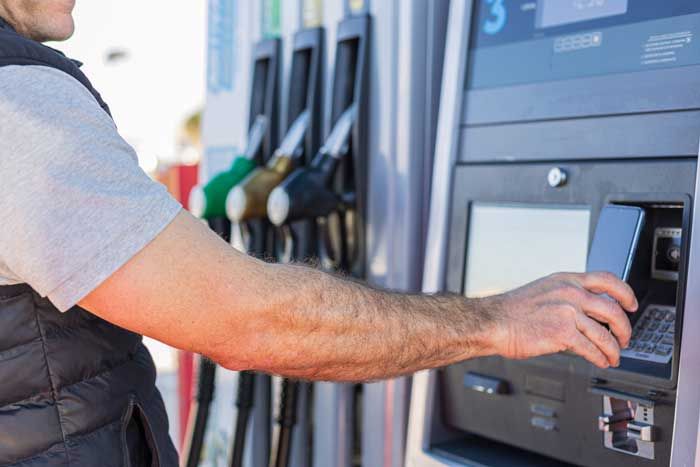
Managing driver spending requires balancing operational needs with the prevention of unauthorized purchases. Traditional approaches rely on trust, policy communication and after-the-fact expense reviews. This approach may reveal problems, but only after budgets have been exceeded. Fleet fuel cards can help implement automated spending controls to help prevent unauthorized purchases before they occur, while maintaining the flexibility drivers need for legitimate fueling.
Apply for a Speedway fleet card with configurable purchase restrictions and experience the power of automated spending controls.
Purchase controls help determine which categories of items cards can buy. Fuel-only restrictions block convenience store purchases, car washes and other non-fuel items even at fuel stations.
Understanding Spending Control Fundamentals
Spending controls operate at multiple levels within fleet card systems. Purchase type restrictions determine what categories of items cards can buy. Transaction dollar limits cap maximum single purchase amounts. Time-based controls define when cards remain active. Geographic restrictions confine where cards work. Driver authentication requirements verify the identity of the person making purchases. These overlapping controls are designed to create layered protection against various misuse types.
Control effectiveness depends on proper configuration matching operational realities. Limits set too restrictively create operational friction when legitimate purchases are declined. Loosely set limits fail to prevent unauthorized spending. Finding the right balance requires understanding operational needs and typical spending patterns across the fleet.
Prevention Versus Detection Approaches
Traditional fuel expense management typically focuses on detecting inappropriate spending after it occurs through monthly expense report reviews. This approach can identify problems, but cannot recover money already spent.
Fleet card spending controls emphasize prevention. Cards configured to decline convenience store purchases are declined at payment terminals. Time-based restrictions are designed to automatically decline weekend use. These automated preventive controls aim to work continuously without requiring manager intervention for every purchase decision.
Setting Transaction Amount Limits
Per-transaction limits cap the total amount of any single purchase. Fleet managers configure dollar amounts representing reasonable maximum fueling costs for each vehicle type. Light-duty vehicles with small tanks need lower limits than heavy trucks with large fuel capacities. Appropriate limits align with refueling needs while preventing excessive single purchases.
Limit calculations should consider vehicle tank capacity and current fuel prices. A cargo van with a 20-gallon tank, fueling at stations averaging $3.50 per gallon, needs at least $70 for a complete fill-up. Setting an $80 transaction limit provides buffer room for price variations while preventing potential theft attempts or unauthorized container filling.
Daily and Weekly Spending Thresholds
Time-based limits operate over longer periods than single transactions. Daily caps might be set at two to three times the transaction limits to allow multiple fuel stops when needed. Weekly limits typically account for normal workweek fueling patterns with a modest buffer for unusual circumstances.
Overlapping limit types provide comprehensive coverage. A card might allow $150 per transaction, $300 per day and $1,200 per week. All three thresholds must pass for purchase authorization. This multi-layered approach can help detect different types of misuse more effectively than relying on single control points. The Speedway Business Universal Card supports configurable multi-level limits.
Product Category Restrictions
Purchase controls help determine which categories of items cards can buy. Fuel-only restrictions block convenience store purchases, car washes and other non-fuel items even at fuel stations. This category filtering can help prevent drivers from using company cards for snacks, beverages or personal items during fuel stops.
Product restrictions operate through merchant category codes to identify transaction types. Fuel purchases carry different codes than food, merchandise or services. Fleet managers select which codes their cards accept, and payment networks are designed to enforce these restrictions automatically without requiring managers to review individual purchases.
Time-of-Day and Day-of-Week Controls
Operating hour restrictions help align card availability with business schedules. Companies running Monday through Friday from 7 a.m. to 5 p.m. can configure cards to decline weekend transactions and weeknight purchases outside operating hours. Time-based controls can help prevent drivers from fueling personal vehicles when company vehicles sit idle.
Operations running around the clock require different configurations. Long-haul trucking, emergency services and continuous-delivery operations require cards to operate around the clock. Time controls should accommodate operational schedules without impeding legitimate business activities during authorized operating periods.
Companies running Monday through Friday from 7 a.m. to 5 p.m. can configure cards to decline weekend transactions and weeknight purchases outside operating hours.
Geographic Location Restrictions
Location-based controls confine card usage to designated regions where fleets operate. A regional delivery fleet serving only Pennsylvania and Ohio might restrict cards to work exclusively in those states. Attempted transactions at other locations are automatically declined regardless of other authorization factors.
Geographic boundaries can reduce theft appeal. Thieves who steal cards in Pennsylvania may be unable to use them if restrictions limit acceptance to Pennsylvania. This localized security can help reduce external theft risk and internal driver misuse opportunities.
Driver PIN Authentication Requirements
Personal identification numbers help ensure the assigned driver is making purchases. Cards are designed to decline transactions without the correct PIN, even when physically present at the pumps. This verification layer can help prevent unauthorized individuals from using borrowed or stolen cards, reducing casual misuse and organized theft.
PINs connect purchases to specific drivers. Transaction reports showing which driver completed each fueling help support performance evaluation and policy enforcement.
PIN Management and Security
Initial PINs are typically assigned during card setup. Drivers can often change PINs through online portals or mobile apps to choose numbers they can easily remember. Some systems enforce PIN rules requiring specific lengths or forbidding simple patterns.
Forgotten PINs need secure reset procedures. Identity verification through security questions, account numbers or manager authorization helps prevent unauthorized individuals from resetting PINs to gain card access.
Real-Time Monitoring and Alerts

Automated monitoring systems can track spending patterns and flag unusual activity. Purchases outside configured parameters, transactions at unexpected locations or spending significantly above typical patterns trigger alerts to help managers identify potential problems quickly without manually reviewing every transaction.
Alert configuration determines which events warrant notification. Some managers want alerts for every declined transaction. Others prefer notifications only for high-value attempts or specific violation types. Customizable alerts can help prevent notification fatigue while maintaining awareness of significant unusual activity.
Driver Training and Policy Communication
Technology alone does not ensure compliance. Clear policy communication helps prevent unintentional violations and supports enforcement when willful misuse occurs.
Drivers might become complacent over time. Regular training reminders maintain awareness. Periodic communications about proper card use, security practices and examples of prevented fraud can help keep policies top of mind. Compliance culture complements technological controls by fostering a shared understanding of expectations.
Better Control with Fleet Cards
Effective spending controls balance prevention, monitoring and enforcement. Automated restrictions are built to help prevent most misuse before it occurs, and real-time monitoring is designed to quickly detect unusual activity. Ultimately, Driver accountability may improve with Speedway fleet cards equipped with comprehensive controls that match operational requirements.